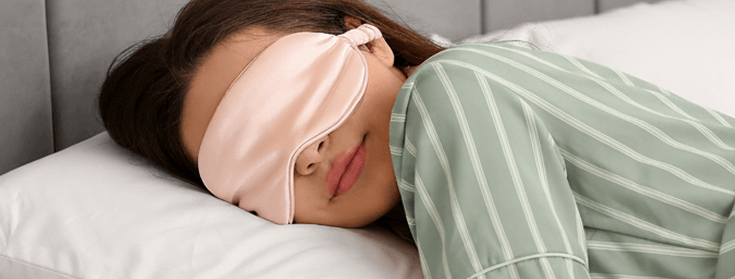

Find a Path Toward Better Sleep and Jaw Comfort
Jaw discomfort and sleep apnea can affect much more than your teeth. They can interfere with eating, speaking, sleeping, and your day-to-day comfort.
At Dr. Joe Dental Group, we take the time to understand what you are experiencing and evaluate the factors that may be contributing to your symptoms. Our team provides personalized treatment options for TMJ disorders and obstructive sleep apnea, with an emphasis on appropriate, conservative care when possible.
Whether you are dealing with persistent jaw discomfort, nighttime teeth grinding, or symptoms associated with sleep apnea, we can help you understand your options and determine the next step.
What Is Obstructive Sleep Apnea?
Obstructive sleep apnea (OSA) is a sleep-related breathing disorder that occurs when the throat relaxes during sleep and partially or completely blocks the airway, causing breathing to stop and restart throughout the night.
Common symptoms include:
- Loud snoring
- Gasping or choking during sleep
- Morning headaches
- Daytime tiredness
- Difficulty concentrating
- Frequent waking
- Dry mouth
If you suspect you may have sleep apnea, our team can discuss your symptoms and whether dental sleep medicine may be appropriate for you.

Managing Sleep Apnea with Oral Appliance Therapy
For some patients with obstructive sleep apnea, an oral appliance may be an appropriate treatment option.
A custom dental appliance is designed to help maintain an open airway during sleep by positioning the jaw and surrounding structures in a way that supports airflow. If an oral appliance is appropriate for you, we can discuss how it works, what to expect, and how it fits into your overall care.
Sleep apnea treatment should be individualized. Depending on your symptoms and diagnosis, we may recommend working alongside your physician or sleep specialist to ensure your treatment is appropriate for your needs.
What Is TMJ Disorder?
The temporomandibular joints, or TMJs, connect your lower jaw to your skull and allow you to open and close your mouth, chew, and speak.
Temporomandibular joint disorders, commonly referred to as TMJ disorders or TMD, can affect the joints, jaw muscles, or surrounding structures. Symptoms can range from occasional discomfort to ongoing pain or difficulty with normal jaw movement.
What Are the Symptoms of TMJ Disorders?
TMJ disorders can affect people differently and may occur on one or both sides of the face. Common symptoms include:
- Jaw pain or tenderness
- Jaw stiffness or locking
- Difficulty opening or closing your mouth
- Difficulty biting or chewing
- Clicking or popping sounds in the jaw
- Headaches or neck discomfort
- Ear discomfort
- Worn or damaged teeth
- Changes in your bite
- Ringing in the ears
- Dizziness or vertigo
Persistent or worsening symptoms should be evaluated so your team can determine what may be contributing to your discomfort.
How We Manage TMJ Problems
Treatment for TMJ disorders depends on your symptoms, their underlying causes, and how they are affecting your daily life.
Our team begins with an evaluation of your jaw, bite, teeth, and symptoms. Depending on what we find, treatment may include conservative options such as a custom-fitted nightguard or other approaches designed to reduce strain on the jaw and protect your teeth.
If teeth grinding, bite concerns, jaw injury, or another factor may be contributing to your symptoms, we will explain what we find and discuss the treatment options available to you. Our goal is to address your individual needs rather than take a one-size-fits-all approach.
When Should You Have Jaw Pain Evaluated?
Occasional jaw soreness can happen after activities such as chewing tough foods or excessive gum chewing. However, persistent, recurring, or worsening discomfort deserves attention.
Consider scheduling an evaluation if you experience:
- Jaw pain that continues or gets worse
- Difficulty opening or closing your mouth
- Jaw locking
- Pain when chewing
- Frequent headaches associated with jaw discomfort
- Persistent clicking or popping accompanied by pain
- Significant tooth wear from grinding or clenching
Early evaluation can help identify contributing factors and provide an opportunity to discuss appropriate treatment before symptoms interfere further with your daily activities.
Can TMJ Disorders Be Treated Without Surgery?
Many TMJ disorders can be managed with conservative approaches, depending on the cause and severity of the condition.
Treatment may involve addressing contributing habits, protecting the teeth from grinding, using a custom nightguard, or making other changes designed to reduce strain on the jaw.
More complex cases may require additional evaluation or referral to another healthcare professional. We will help you understand your options based on your individual circumstances.
Care Focused on Your Symptoms and Needs
There is no single approach that works for every person experiencing jaw discomfort or sleep apnea. That is why we take the time to listen to your concerns, evaluate your symptoms, and explain your options.
Whether you are looking for help with jaw pain, teeth grinding, or possible sleep apnea, Dr. Joe Dental Group is here to help you understand what may be contributing to your symptoms and what steps you can take next.
Book AppointmentTMJ & Sleep Apnea FAQs
Symptoms may include jaw pain or stiffness, clicking or popping, difficulty opening your mouth, pain when chewing, headaches, ear discomfort, and changes in your bite.
TMJ disorders can have several contributing factors, including teeth grinding or clenching, jaw injury, bite concerns, and other conditions affecting the jaw joints or muscles. An evaluation can help identify potential causes.
Many TMJ disorders can be managed with conservative approaches. Depending on your symptoms, treatment may include a custom nightguard or other measures designed to reduce strain on the jaw.
Obstructive sleep apnea is a sleep-related breathing disorder that occurs when the airway becomes partially or completely blocked during sleep, causing breathing to stop and restart.
Common symptoms include loud snoring, gasping or choking during sleep, daytime tiredness, morning headaches, frequent waking, dry mouth, and difficulty concentrating.
For some patients with obstructive sleep apnea, a custom oral appliance may be an appropriate treatment option. It is designed to help maintain an open airway during sleep. We can discuss whether this type of treatment may be suitable for you.
If jaw pain is persistent, recurring, or affecting your ability to eat, speak, or open your mouth comfortably, an evaluation is recommended. Identifying potential contributing factors can help determine appropriate treatment.
A diagnosis of sleep apnea generally requires evaluation by a qualified healthcare provider, which may include a sleep study. If you are considering oral appliance therapy, we can discuss the appropriate steps based on your situation.
Explore Our
Dental Services



Why Choose Dr. Joe Dental Group?

A Reputation Built on Trust
We earn your confidence through honest recommendations, transparent communication, and quality care that’s always in your best interest.
Quality Without Shortcuts
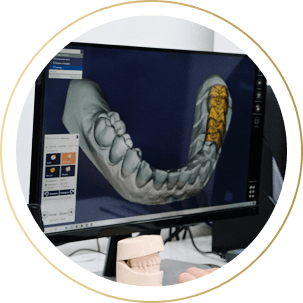
Every treatment is guided by proven techniques, innovative technology, and a commitment to lasting results, never cutting corners.

Relationships That Last
Meaningful relationships don’t happen by chance. With over 15 years in private practice, Dr. Joe has earned the trust of generations of patients, including many who have remained with him since his time at NYU.