

Preserve Your Natural Tooth with Personalized Care
A root canal may sound intimidating, but modern techniques and technology have made treatment a routine option for addressing infection or damage inside a tooth. At Dr. Joe Dental Group, our goal is to preserve your natural teeth whenever possible while making sure you understand your care.
We begin by evaluating your symptoms and the health of the affected tooth, then explain what we find and discuss your treatment options. We also use CBCT imaging when appropriate to provide detailed images that can support diagnosis and treatment planning.
If you are experiencing persistent tooth pain or have a damaged tooth, our team is here to help you understand the cause and determine the next step.
What Is a Root Canal?
A root canal is a restorative procedure used to treat infection or damage within the pulp, the innermost part of a tooth. The pulp contains nerves, blood vessels, and connective tissue that help the tooth develop.
When the pulp becomes infected or damaged because of decay, trauma, or another dental concern, it can cause pain and may lead to an abscess if left untreated.
During a root canal, the affected pulp is removed, the inside of the tooth is cleaned and disinfected, and the space is sealed to help prevent reinfection. The tooth can then be restored so it can continue functioning as part of your natural smile.

What Can Cause the Need for a Root Canal?
A root canal may be recommended when the pulp inside a tooth becomes infected, inflamed, or damaged. This can happen for several reasons, including:
- Deep tooth decay that reaches the pulp
- Dental trauma, such as a crack or chip that exposes the pulp
- A damaged or lost filling that allows bacteria to enter the tooth
- Severe gum disease that affects the tissues supporting the tooth
- Repeated dental procedures that have irritated or damaged the pulp
An examination can help determine what is causing your symptoms and whether root canal treatment is appropriate for your tooth.
CBCT Imaging for Root Canal Treatment
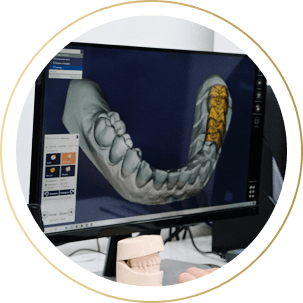
Technology can provide our team with additional information when evaluating a tooth. For root canal treatment, we use CBCT imaging when appropriate to create detailed three-dimensional images of the teeth, roots, jawbone, and surrounding structures.
This can help us evaluate the anatomy of the affected tooth, identify areas of concern, and plan treatment based on what we see.
Our approach is to use technology when it can provide useful information and support your diagnosis and treatment plan.
Signs You May Need a Root Canal
Not every tooth infection causes noticeable symptoms, but some common signs can include:
- Persistent or severe tooth pain
- Pain when biting or chewing
- Sensitivity to hot or cold that lingers
- Swelling around a tooth or in the gums
- A recurring pimple or drainage near the tooth
- Tooth discoloration
- A cracked, chipped, or injured tooth
If you are experiencing these symptoms, an evaluation can help determine what is happening and whether treatment is needed.
When Dental Discomfort Requires Prompt Attention
Some dental concerns should be addressed as soon as possible. Severe or persistent tooth pain, swelling in the face or jaw, visible pus, or significant dental trauma may require prompt dental care.
If you experience a dental injury involving bleeding, displacement, or significant damage to a tooth, contact our office for guidance. Addressing dental concerns early can help prevent them from becoming more complicated.
Why Preserve Your Natural Tooth?
When a tooth can be restored, keeping your natural tooth can help maintain your bite and normal oral function.
Keep Your Natural Tooth
Root canal treatment can remove infected or damaged pulp while allowing you to keep the natural tooth.
Address the Source of Pain
Removing infected or inflamed pulp can address the source of pain associated with an affected tooth.
Help Prevent Further Infection
Treating an infected tooth can help prevent the infection from progressing to surrounding tissues or developing into an abscess.
Restore Your Tooth
After a root canal, the tooth is restored to help protect its remaining structure and return it to normal function. Depending on the tooth and how much structure remains, a dental crown may be recommended.
What If a Tooth Cannot Be Saved?
Our goal is to preserve your natural tooth whenever possible. However, some teeth may be too damaged or compromised to restore.
If extraction is necessary, we will explain your replacement options and help you understand what may be appropriate for your needs. Dental implants can replace missing teeth with a restoration designed to look and function like a natural tooth.
Your Care, Explained Every Step of the Way
We know that understanding your treatment can make the process easier. Before recommending a root canal, our team will explain what we find, why treatment may be needed, and what you can expect.
We will also discuss alternatives when they are available, so you can make an informed decision about your dental care. From your initial evaluation through treatment and restoration, we are here to answer your questions and provide the support you need.
Book AppointmentRoot Canal FAQs
Symptoms can include persistent tooth pain, sensitivity that lingers after hot or cold exposure, pain when biting, swelling, or a damaged tooth. Some infections may not cause noticeable symptoms, so an examination is important.
Modern techniques and local anesthesia are used to keep you comfortable during treatment. A root canal is performed to remove infected or damaged tissue that may be causing pain.
Treatment time varies depending on the tooth and the complexity of the case. During your appointment, we can explain what to expect and how much time your treatment may require.
CBCT imaging creates detailed three-dimensional images of your tooth and surrounding structures. When appropriate, this technology can provide additional information to support diagnosis and treatment planning.
In many cases, root canal treatment allows an infected or damaged tooth to be treated and restored rather than extracted. We will evaluate your tooth and explain whether it can be preserved.
The treated tooth will typically need a final restoration to protect it and restore its function. Depending on the tooth and remaining structure, a dental crown may be recommended.
If a tooth cannot be restored, extraction may be recommended. We will discuss replacement options, including dental implants, and help you understand which approach may be appropriate.
Explore Our
Dental Services





Why Choose Dr. Joe Dental Group?

A Reputation Built on Trust
We earn your confidence through honest recommendations, transparent communication, and quality care that’s always in your best interest.
Quality Without Shortcuts
Every treatment is guided by proven techniques, innovative technology, and a commitment to lasting results, never cutting corners.
Relationships That Last
Meaningful relationships don’t happen by chance. With over 15 years in private practice, Dr. Joe has earned the trust of generations of patients, including many who have remained with him since his time at NYU.